570-250-8076
570-250-8076

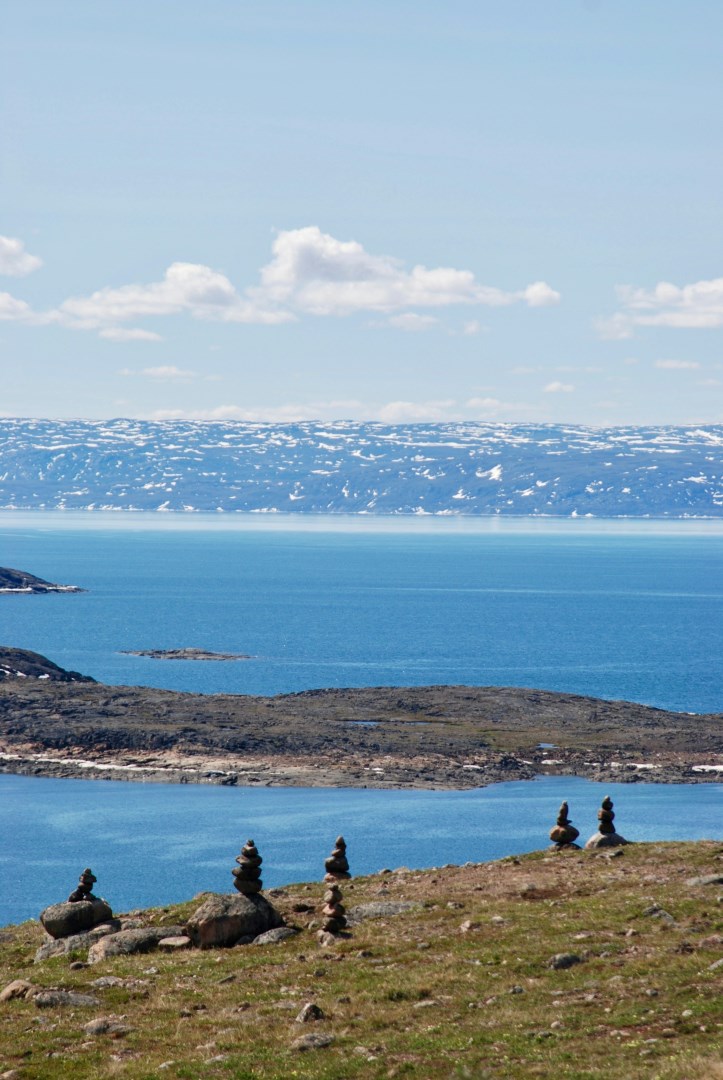
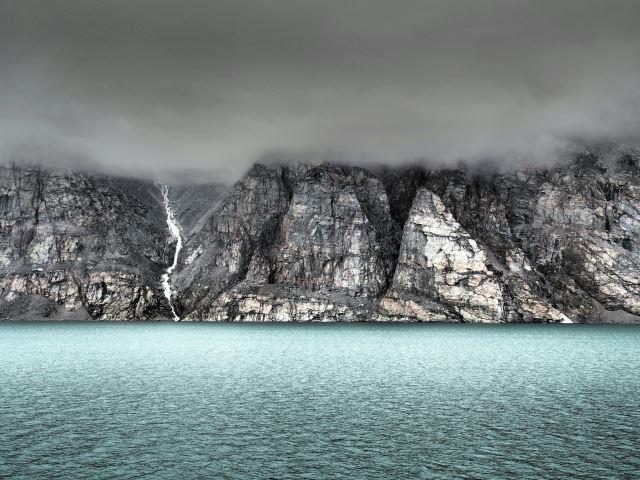
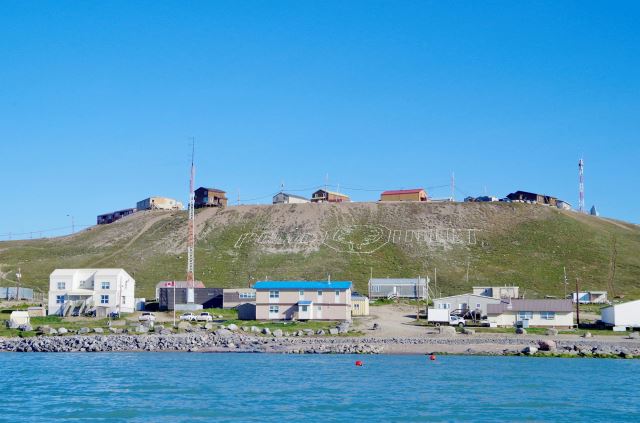
Iqaluit is the capital of Nunavut and the largest community in the territory, located at the head of Frobisher Bay on southern Baffin Island. The city is surrounded by rocky hills, tundra, freshwater ponds, and broad coastal waters, with a landscape shaped by Arctic weather and seasonal sea ice. Iqaluit serves as Nunavut's administrative, transportation, educational, and commercial centre, while remaining closely connected to traditional Inuit activities. Its location provides access to the surrounding Baffin Island wilderness, where coastal environments meet rugged terrain and long stretches of undeveloped tundra.
Iqaluit is situated within the traditional homeland of the Inuit, and Inuit culture remains central to life in the city. Inuktitut is widely spoken, alongside English and French, and traditional knowledge continues to influence hunting, fishing, travel, and relationships with the land. The Nunatta Sunakkutaangit Museum houses collections relating to Inuit history, art, and material culture, while the Nunavut Legislative Assembly provides insight into the territory's distinctive system of government. Local artists are known for carving, printmaking, sewing, and textile work, with many works reflecting animals, landscapes, and stories from the Arctic.
Frobisher Bay forms the city's southern waterfront and provides opportunities for boating, fishing, wildlife viewing, and seasonal travel. Nearby Sylvia Grinnell Territorial Park protects tundra, wetlands, river valleys, and coastal habitats, with trails offering views of the Sylvia Grinnell River and surrounding landscape. The river supports Arctic char and attracts migratory birds during the warmer months. Wildlife in the wider region includes caribou, Arctic foxes, seals, polar bears, and whales. Apex, a historic neighbourhood just outside the central city, provides access to the coast and offers views across the bay toward the surrounding hills.
Country foods remain important in Iqaluit, with Arctic char, caribou, seal, and other locally harvested foods forming part of traditional Inuit cuisine. Local restaurants and stores also serve foods brought from southern Canada, reflecting the city's role as a regional transportation hub. Iqaluit's artists produce distinctive soapstone carvings, prints, clothing, and sewn goods, many of which draw on Inuit stories and Arctic wildlife. Another notable feature is the city's seasonal relationship with sea ice: frozen waterways can support traditional travel during winter, while the opening water brings boats, fishing, and increased movement across Frobisher Bay.